Ground sharks
Carcharhiniformes
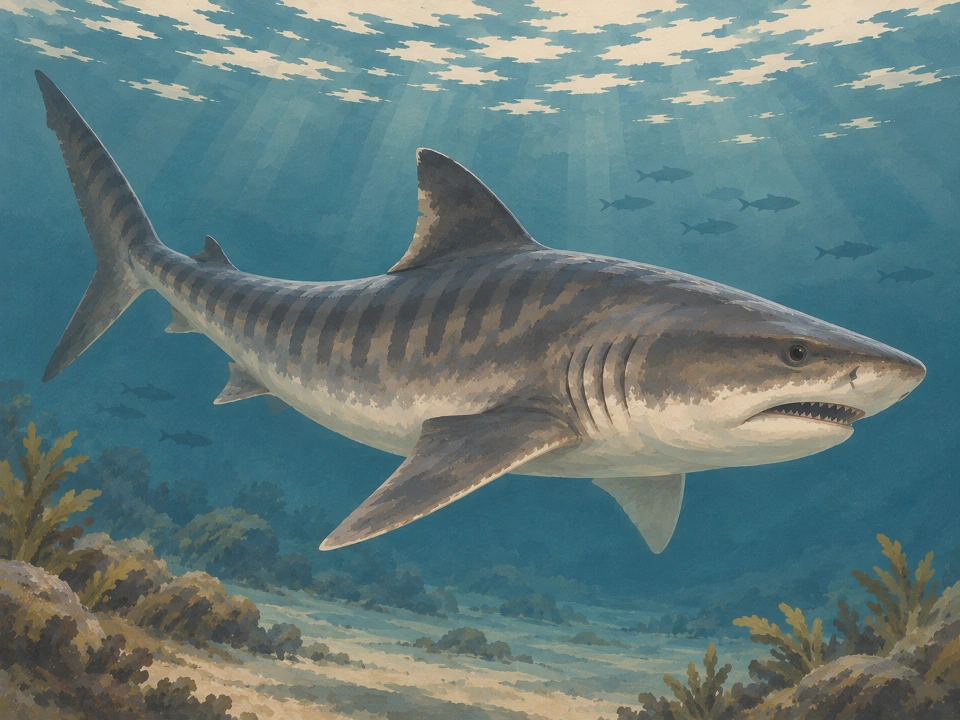
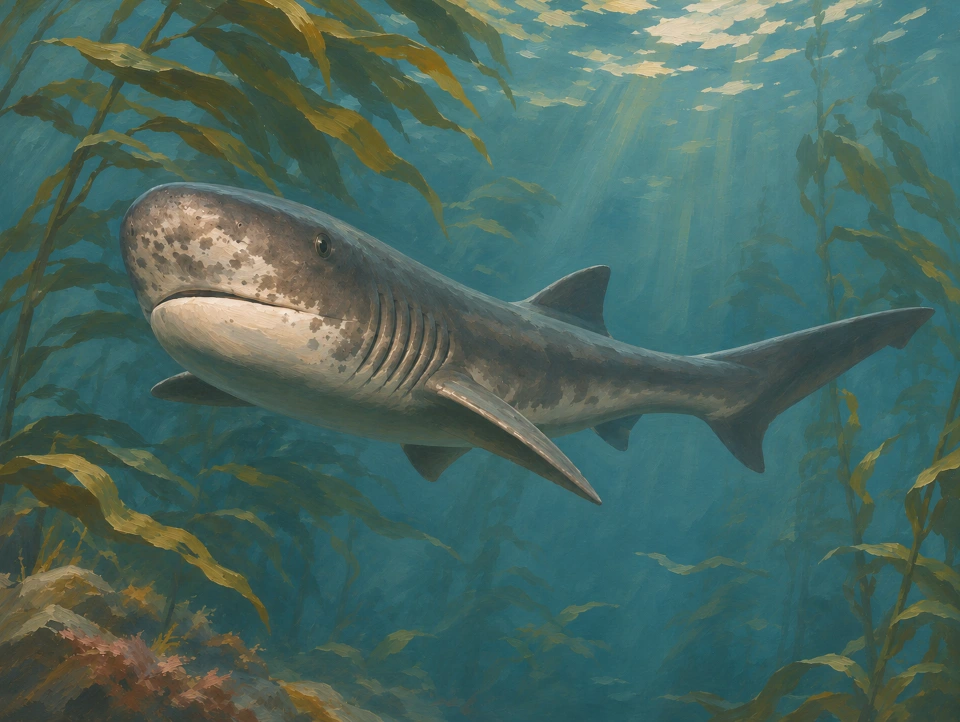
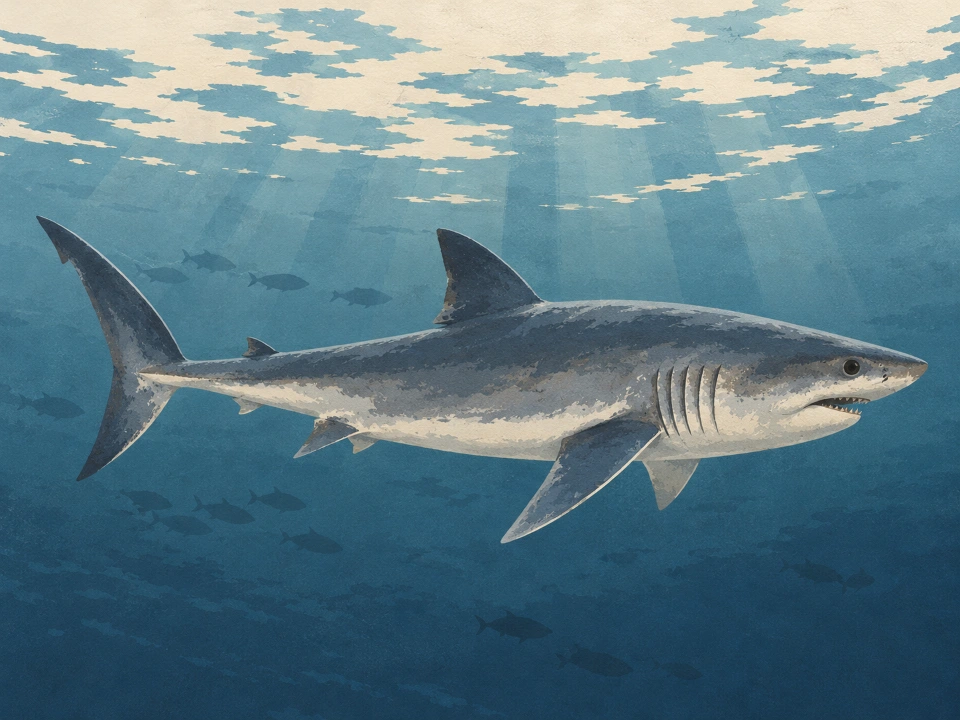
Ground sharks (Carcharhiniformes) are the largest and most diverse order of living sharks, encompassing a wide variety of species, from small bottom-dwelling catsharks to large, active predators. They include requiem sharks (Carcharhinidae), tiger sharks (Galeocerdonidae), hammerhead sharks (Sphyrnidae), houndsharks (Triakidae), and catsharks (Scyliorhinidae). Despite their common name, many ground sharks inhabit open water rather than living near the seabed.
Ground sharks typically have five pairs of gill slits, two dorsal fins without spines, and an anal fin. One of their distinguishing characteristics is the presence of a nictitating membrane, a protective eyelid or fold that can cover the eye. Their teeth vary considerably in shape and arrangement, reflecting the diversity of feeding adaptations within the order.
Many requiem sharks have broad, triangular upper teeth, often with serrated cutting edges, and narrower lower teeth adapted for grasping prey. Tiger sharks have distinctive, strongly curved and notched teeth with prominent serrations, while hammerhead sharks generally possess triangular or blade-like teeth that vary between species. Smaller ground sharks, such as catsharks, often have slender central cusps accompanied by smaller lateral cusplets. These differences are useful for identifying fossil teeth, although considerable variation and overlap can make identification to species difficult.
The fossil record of ground sharks extends back to the Jurassic, although the classification of some early representatives remains uncertain. The group diversified considerably during the Cretaceous and Cenozoic, with teeth from numerous families becoming common in marine fossil deposits. Ground sharks are particularly well represented in Neogene deposits, including those of Antwerp and Florida.