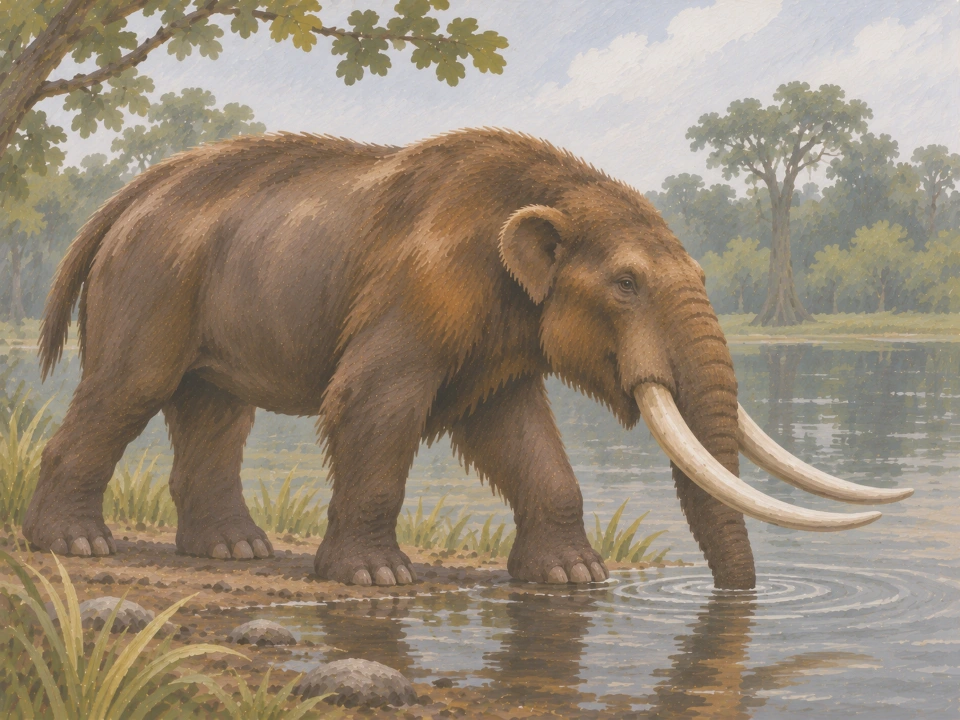
Elephants
Elephantidae
Elephants, or elephantids, are a family of proboscideans that includes living African and Asian elephants, mammoths, straight-tusked elephants, and their extinct relatives. Unlike mastodons and gomphotheres, elephantids have large cheek teeth composed of numerous enamel-covered plates (lamellae), separated by cementum.
The number and spacing of lamellae, enamel thickness, and crown height are important characteristics for identifying fossil elephantids. In Europe, mammoths evolved from the southern mammoth (Mammuthus meridionalis), through the steppe mammoth (M. trogontherii), to the woolly mammoth (M. primigenius), with a general trend toward higher crowns, more closely packed lamellae, and thinner enamel. The straight-tusked elephant (Palaeoloxodon antiquus) represents a separate lineage that also inhabited Europe during the Pleistocene.
Within this group
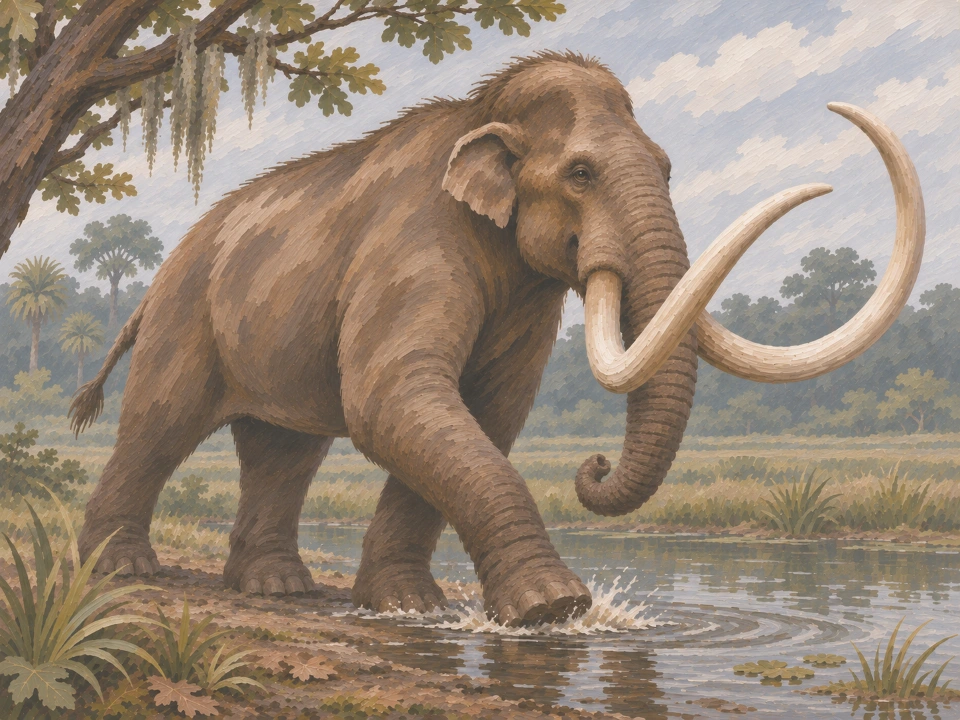
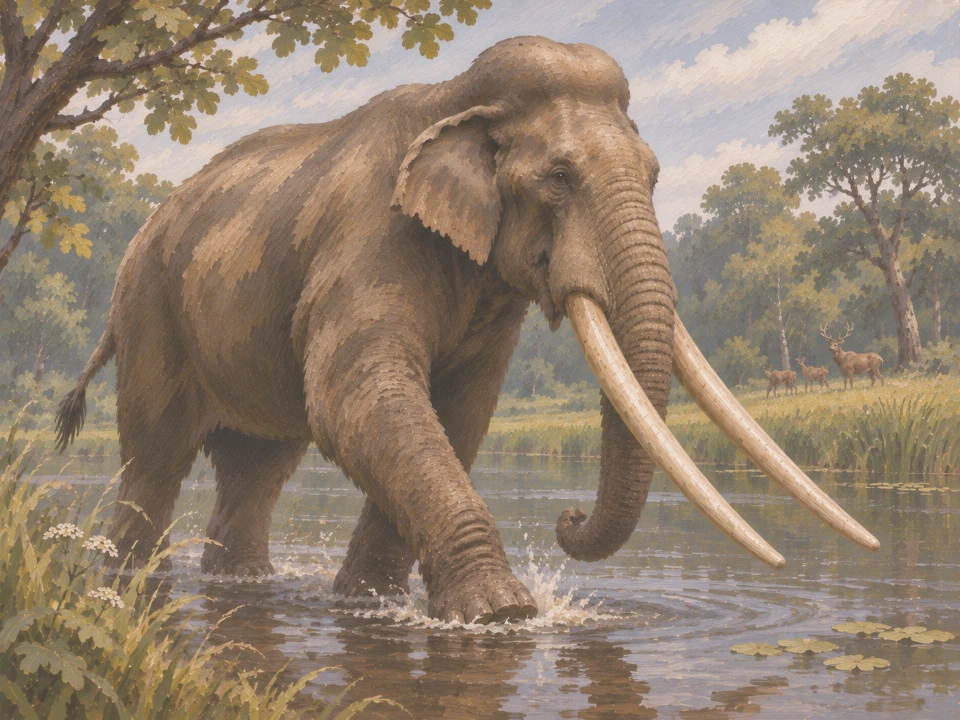
And 8 finds not yet placed in a genus.
In this collection 28 finds
Featured 12


Teeth 23